
 The Ultimate Guide to Staying Hydrated
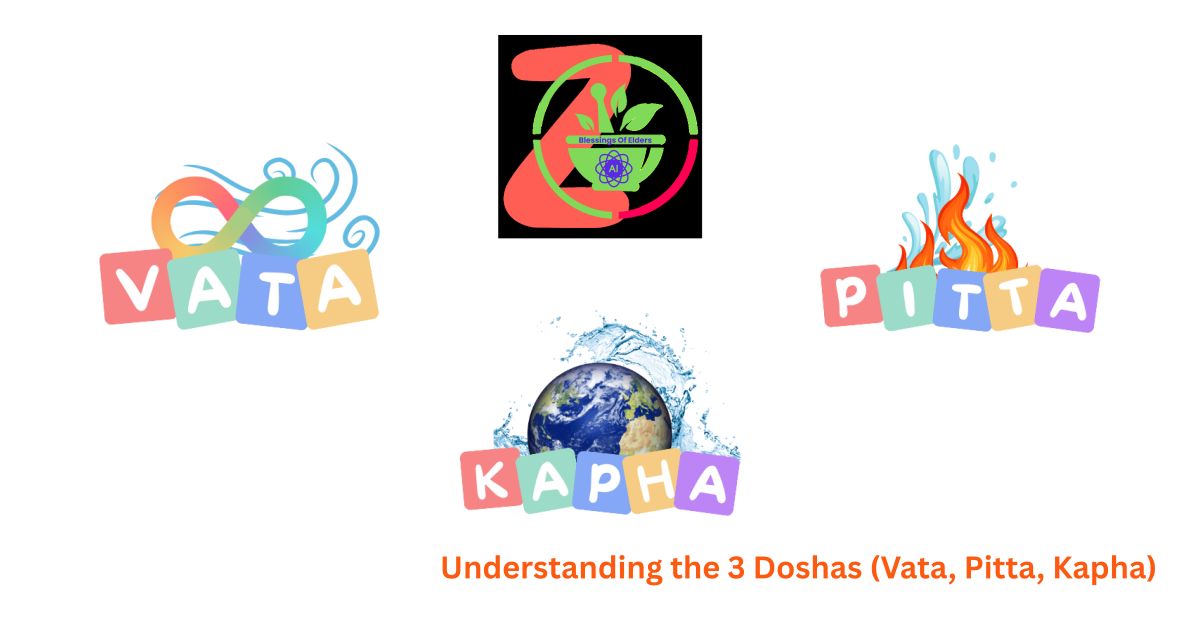
What Are Vata, Pitta, and Kapha? A Simple Guide to the 3 Ayurvedic Doshas
Ever wondered why some people are always energetic and seemingly restless, while others are naturally calm and steady? Or why you might feel fiery and irritable in the summer heat, but crave warm, heavy foods in winter?
In the world of Ayurveda, the answer often lies with the three doshas: Vata, Pitta, and Kapha. These are the three fundamental energies that govern our bodies, minds, and everything in the universe. Understanding your unique blend of these doshas is the first step toward true, personalized wellness.
Think of them as your body’s personal “blueprint.” When they’re in balance, you feel fantastic. When they’re out of balance, you might feel “off”—physically or emotionally. Let’s explore what each one means.
What Are the Ayurvedic Doshas, Really?
In Ayurveda, everything is composed of five great elements: Ether (Space), Air, Fire, Water, and Earth. The doshas are the three primary forces created by combinations of these elements:
- Vata Dosha: Made of Ether + Air
- Pitta Dosha: Made of Fire + Water
- Kapha Dosha: Made of Earth + Water
Every person has all three doshas, but in a unique ratio. This specific combination, determined at birth, is called your Prakriti—your fundamental constitution. It influences everything from your body frame and digestion to your mental clarity and emotional responses.
(If you’re completely new to this, we highly recommend starting with our What is Ayurveda? A Beginner’s Guide to get the full picture.)
The key isn’t to change your Prakriti, but to understand it and keep it in balance. Let’s meet the three doshas.
Understanding Vata Dosha (The Energy of Movement)
Vata, formed from Air and Ether, is the force of movement, change, and creativity. Think of the wind—it’s light, cold, dry, and always in motion. That’s Vata.
Characteristics of Vata
People with a dominant Vata dosha often tend to be:
- Physically: Slender, light build, with dry skin and hair. They often feel cold.
- Mentally: Creative, enthusiastic, and quick-thinking. They’re great at starting new things.
- Emotionally: Lively and energetic, but can change moods quickly.
- Digestion: Tends to be irregular, with gas and bloating being common.
- Sleep: Often light sleepers with a tendency toward insomnia.
Signs of Vata Imbalance (Vikriti)
When Vata is out of balance (usually in excess), that creative “wind” becomes a tornado. You might experience:
- Anxiety, worry, or a “racing” mind
- Dryness (dry skin, constipation)
- Restlessness and trouble sleeping
- Feeling scattered and unable to focus
- Joint aches or cracking joints
How to Balance Vata Dosha
To balance Vata, you need to bring in the opposite qualities: warmth, grounding, and routine.
- Diet: Eat warm, cooked, slightly oily foods (like soups, stews, and roasted vegetables). Avoid cold, raw, and dry foods (like salads or crackers).
- Lifestyle: Stick to a consistent daily routine (especially for sleeping and eating).
- Practice: Gentle exercise like walking or yoga, and calming activities like meditation.
Understanding Pitta Dosha (The Energy of Transformation)
Pitta, formed from Fire and Water, is the energy of digestion and metabolism. Think of fire—it’s hot, sharp, and transformative. Pitta governs all “hot” processes in the body, from digestion to intellect.
Characteristics of Pitta
People with a dominant Pitta dosha often tend to be:
- Physically: Medium, athletic build. They have strong digestion and a rosy complexion, and often feel warm.
- Mentally: Sharp, intelligent, and focused. They are natural leaders and problem-solvers.
- Emotionally: Passionate, driven, and determined.
- Digestion: Strong and intense. They get “hangry” if they miss a meal.
- Sleep: Generally sleep well but can wake up feeling hot.
Signs of Pitta Imbalance (Vikriti)
When fiery Pitta gets too high, you get… well, burned. You might experience:
- Irritability, anger, or impatience (“a short fuse”)
- Inflammation issues (like skin rashes, acne, or acid reflux)
- Feeling overly critical of yourself or others
- Intense hunger or thirst
- Feeling “burned out” or overworked
How to Balance Pitta Dosha
To balance Pitta, you need to bring in the opposite qualities: coolness, calmness, and moderation.
- Diet: Eat cooling, sweet, and slightly dry foods (like cucumbers, melons, rice, and leafy greens). Avoid or reduce spicy, sour, and salty foods.
- Lifestyle: Make time for play and relaxation; don’t be all work! Avoid peak sun.
- Practice: Meditative exercise like swimming or a walk in nature. Practice non-judgment and compassion.
Understanding Kapha Dosha (The Energy of Structure)
Kapha, formed from Earth and Water, is the energy of stability, structure, and lubrication. Think of moist, cool earth—it’s steady, heavy, and supportive. Kapha provides the “glue” for your body, from your joints to your emotional well-being.
Characteristics of Kapha
People with a dominant Kapha dosha often tend to be:
- Physically: Strong, solid build with good stamina. They often have smooth skin and thick, lustrous hair.
- Mentally: Calm, steady, and methodical. They are great at finishing what they start.
- Emotionally: Compassionate, patient, and loyal. They are the “rocks” in many people’s lives.
- Digestion: Tends to be slow and steady.
- Sleep: Can sleep long and deeply; may have trouble waking up.
Signs of Kapha Imbalance (Vikriti)
When Kapha gets too high, that steady earth becomes heavy mud. You might experience:
- Lethargy, sluggishness, and lack of motivation
- Weight gain or water retention
- Congestion (sinus issues, chest colds)
- Feeling “stuck” in a rut, or resistant to change
- Emotional attachment or possessiveness
How to Balance Kapha Dosha
To balance Kapha, you need to bring in the opposite qualities: lightness, stimulation, and movement.
- Diet: Eat light, warm, and spicy foods (like steamed vegetables with spices, or soups). Avoid heavy, oily, and sweet foods (like fried foods or rich desserts).
- Lifestyle: Wake up early and avoid napping. Seek out new experiences.
- Practice: Vigorous exercise that makes you sweat, like jogging, dancing, or a fast-paced vinyasa yoga.
Your Journey to Dosha Balance
So, which dosha sounds most like you? Most likely, you recognized yourself in parts of all three! While we all have a dominant dosha (or two), the goal is not to fit perfectly into a box.
The real magic of Ayurveda is using this knowledge for self-awareness. When you feel anxious, you can ask, “Is my Vata high?” and reach for a warm cup of tea instead of an iced coffee. When you feel angry, you can ask, “Is my Pitta flaring?” and take a cooling walk outside.
Understanding your Vata, Pitta, and Kapha constitution is the beginning of a beautiful journey into self-healing and holistic health. It’s about listening to your body and giving it what it truly needs to find balance.