

AI in Ayurveda: How Smart Technology is Shaping the Future of Wellness
For over 5,000 years, Ayurveda has been a profound source of holistic healing, a timeless wisdom for restoring balance to mind and body. But what happens when this ancient practice meets the most powerful technologies of the 21st century? The answer is a revolution in personal health: Smart Ayurveda.
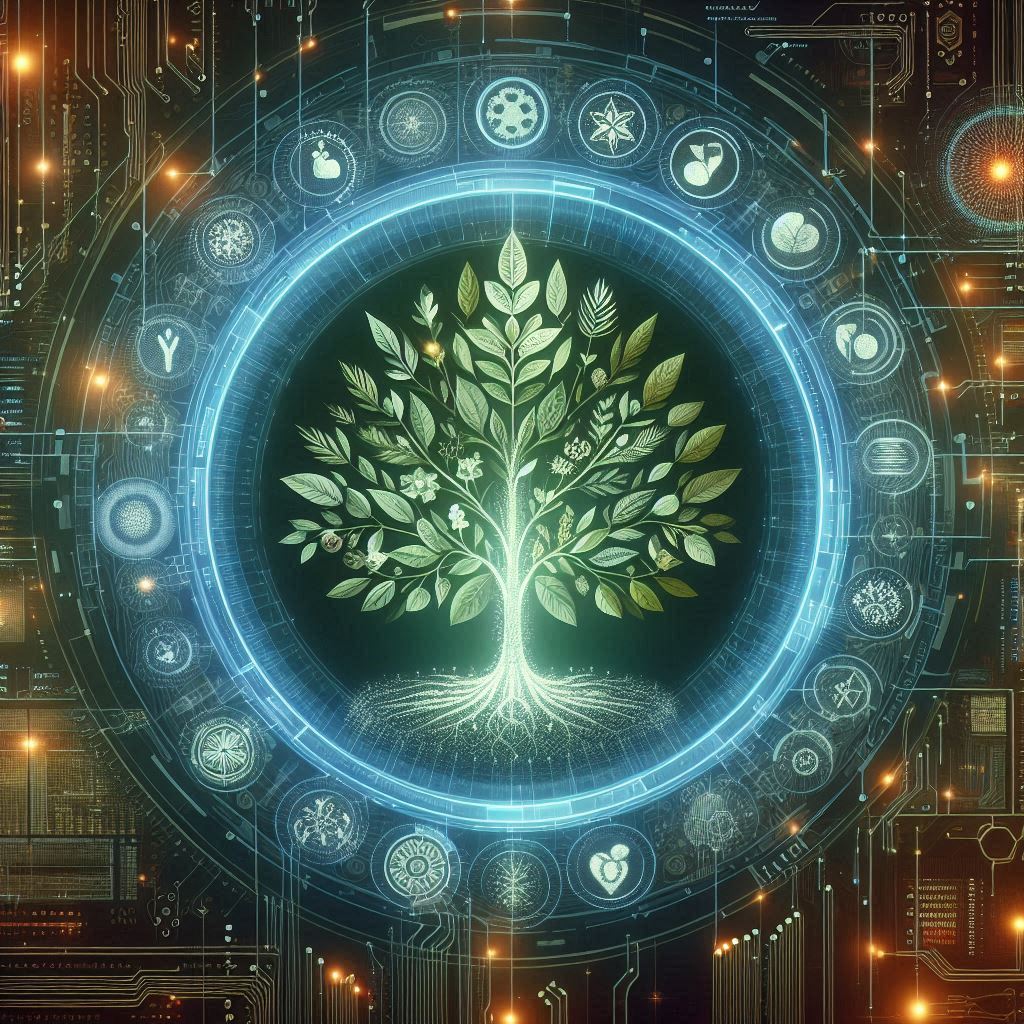
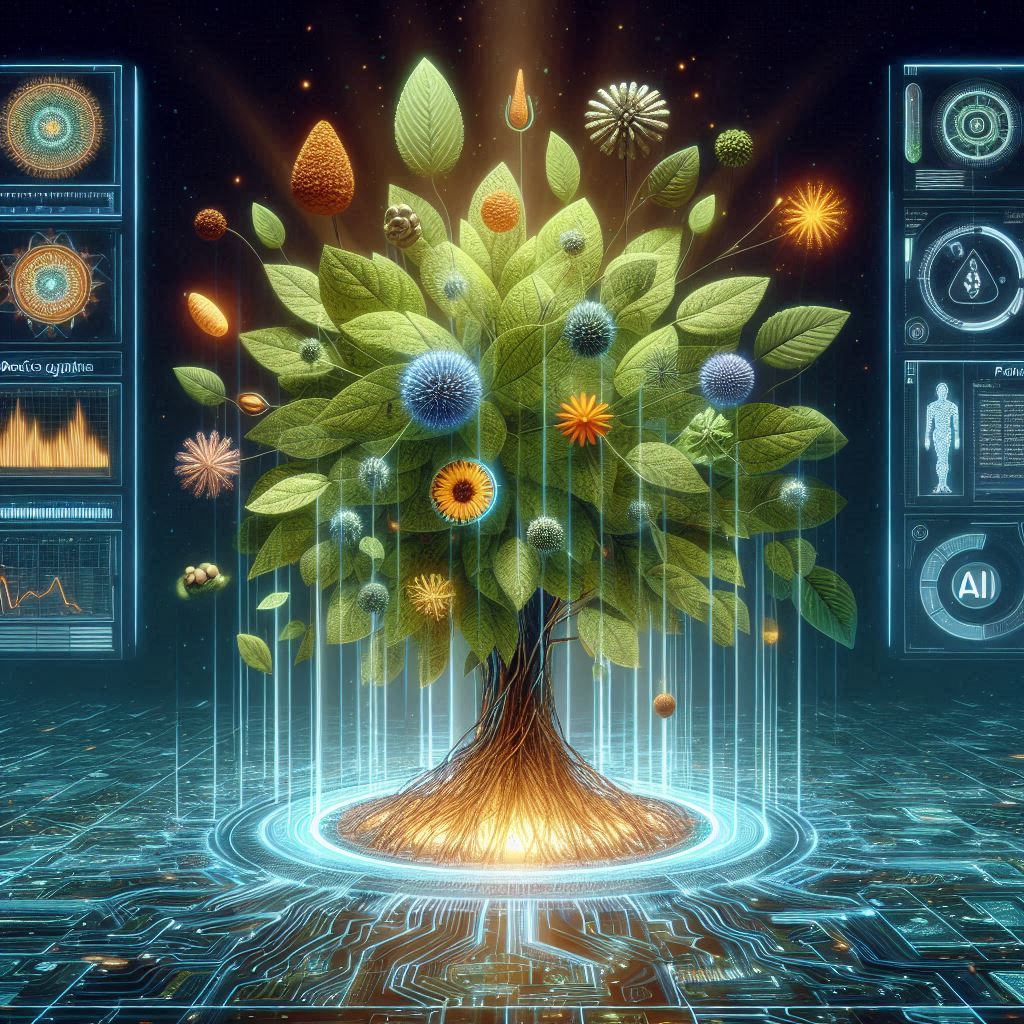
We’re no longer just following tradition; we’re enhancing it. By blending Ayurvedic principles with Artificial Intelligence (AI) and Machine Learning (ML), we are unlocking a new era of wellness. This isn’t about replacing ancient knowledge—it’s about proving it, personalizing it, and making it more effective than ever before.
Let’s explore how this dynamic fusion is moving Ayurveda from a generalized practice to a data-driven, hyper-personalized experience.
—
So, What Exactly is “Smart Ayurveda”?
At its core, Smart Ayurveda uses advanced technology to do two things:
- Understand the vast, complex data of traditional Ayurveda (ancient texts, herb properties, dosha interactions).
- Analyze modern health data (like your unique
biology, lifestyle, and even genetics) with incredible precision.
Machine learning, a type of AI, is the engine that makes this possible. It’s a system that can learn from data, identify patterns that a human might miss, and make intelligent predictions. In Ayurveda, this means sifting through thousands of years of herbal knowledge and clinical outcomes to find the perfect solution for *you*.
The Problem with “One-Size-Fits-All” Wellness
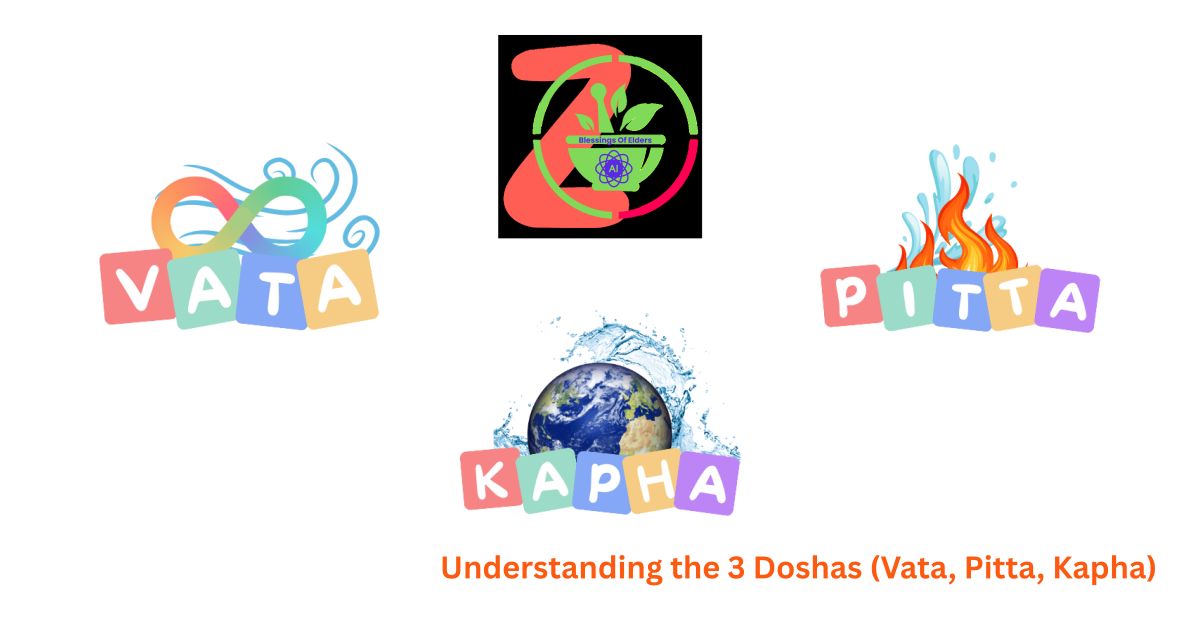
Traditional Ayurveda is built on personalization (your unique dosha of Vata, Pitta, or Kapha). However, creating truly effective formulations has historically relied on generations of observation.
This is where AI steps in to solve a key challenge: ingredient optimization. The effectiveness of an Ayurvedic remedy depends on the precise selection, proportion, and combination of herbs. Get it slightly wrong, and the therapeutic effect is lost.
—
How AI and ML Supercharge Ingredient Optimization
Instead of just relying on texts, AI gives us the power to analyze *how* and *why* ingredients work on a biochemical level. This data-driven approach is the key to creating next-generation wellness products.
1. Data-Driven Ingredient Selection
AI algorithms can scan and analyze massive datasets, including:
- Ancient Ayurvedic texts
- Modern clinical trials
- Biochemical properties of herbs
- Patient outcomes and feedback
This ensures that the ingredients chosen for a formulation are backed by historical efficacy *and* modern scientific validation, moving beyond trial-and-error.
2. Predictive Analytics for Effectiveness
This is where it gets truly exciting. Predictive models can forecast how a specific herbal combination will interact with different dosha types, lifestyles, or even pre-existing conditions. Natural Language Processing (NLP) tools can even read thousands of research papers to find hidden connections between ingredients and health outcomes, leading to more potent and safer formulations.
3. Ensuring Efficacy and Safety
Consumer trust is everything. Machine learning helps identify potential adverse interactions, predict long-term outcomes, and optimize ingredient combinations for maximum benefit and minimal side effects. This is crucial for meeting rigorous global regulatory standards, including those from AYUSH, the FDA, and the EMA.
—
The Real-World Impact: Truly Personalized Treatments
The ultimate goal of Smart Ayurveda isn’t just to make better products—it’s to provide truly personalized care.
Imagine a wellness plan designed just for you. An AI-powered system could analyze your dosha, genetic makeup, diet, and lifestyle factors to recommend a customized herbal remedy. This is the future that machine learning enables, moving beyond generic supplements to solutions that understand your unique biology.
For example, AI-driven research is already leading to more effective stress-relief supplements, as the technology can pinpoint the exact combinations of adaptogens (like Ashwagandha) that work best for different types of stress.
—
What Are the Challenges?
Integrating AI with a 5,000-year-old science isn’t without its hurdles.
- Data Quality: Ancient Ayurvedic texts were not written for computers. Standardizing this historical, qualitative data is a massive challenge.
- Integration: Technology must *complement* the wisdom of Ayurvedic practitioners, not replace it. Building this bridge requires deep collaboration.
- Security: Handling personal health data requires world-class security. At Zupimars and Vancocan INC., we address this by using secure, compliant cloud infrastructure (like Azure) to protect user data and ensure privacy.
—
The Future is Here: A New Era of Holistic Wellness
The fusion of AI and Ayurveda is more than just a trend; it’s the evolution of holistic health. By harnessing the power of data, we are validating ancient wisdom and making it more precise, effective, and accessible for the modern world.
Smart Ayurveda is paving the way for a future where your wellness routine is as unique as you are. It’s a powerful harmony of tradition and innovation, designed to help you achieve true balance and well-being.